Coolflow DTX®
A non-toxic fully inhibited heat transfer fluid, with antifreeze function based on detoxified ethyelne glycol.
More about Coolflow DTX®
For decades, propylene glycol has been the default choice for cooling systems, particularly in safety-critical sectors such as food and beverage, pharmaceutical, and medical environments where a non-toxic classification is preferred. But ‘default’ doesn’t always mean optimal. As energy costs rise and performance demands intensify, the limitations of traditional glycol are becoming harder to ignore.
Coolflow DTX® sets a new benchmark: an advanced glycol with the same low toxicity credentials of propylene glycol - engineered to transfer heat more efficiently, reduce system strain, and unlock measurable energy savings. For operators looking to do more with less energy, the shift away from conventional glycol isn’t just incremental, it’s transformative.
At the heart of any cooling system is a simple objective: move heat away as efficiently as possible. The fluid circulating through that system plays a far greater role in achieving this than many realise. While propylene glycol has long been trusted, it was never specifically engineered with today’s energy demands in mind.
Traditional propylene glycol solutions are inherently less efficient at transferring heat and significantly more viscous, especially at lower temperatures. This forces pumps to work harder, increasing energy consumption across the system. In high-demand environments, whether it’s a brewery, a pharmaceutical production line, or medical application, that inefficiency translates directly into higher operational costs and unnecessary energy use.
By design, DTX delivers the thermodynamic and hydrodynamic performance advantages typically associated with ethylene glycol-based fluids - while maintaining the low-toxicity credentials that make propylene glycol suitable for sensitive applications. In doing so, it removes the long-standing trade-off between performance and safety that has shaped cooling system design for decades.
With significantly lower viscosity, particularly at low temperatures Coolflow DTX® reduces the energy required to circulate fluid around the system. At the same time, its enhanced thermal performance improves heat exchange efficiency. In real-world terms, converting from propylene glycol to Coolflow DTX® has been shown to increase system Coefficient of Performance (COP) by more than 10%, while delivering comparable reductions in energy consumption and carbon emissions.
‘In circulation’ since 2011, Coolflow DTX® has established itself as the preferred thermal fluid for leading breweries, dairies, distilleries, food processors, and cold-chain distributors. Key adopters include PepsiCo, Coca-Cola, Haribo, Diageo, Molson Coors, Heineken and McCain to name a few. In fact, many new-build food and beverage facilities are now designed around DTX’s performance characteristics from the outset.
Because Coolflow DTX® has lower viscosity, better thermal conductivity and greater density than propylene glycol - systems can be designed with smaller chillers, pumps, and pipework while still achieving the same cooling capacity. The result is not only lower operational energy use but also reduced capital expenditure, an increasingly important consideration for large-scale industrial projects.
Coolflow DTX® has also been adopted in highly specialised medical and defence technologies, where both performance and safety are critical. It plays a role in pilot cooling units for advanced military aircraft, and in precision medical devices such as blood heater-coolers used during open-chest surgery - applications where reliability, efficiency, and fluid integrity are non-negotiable.
By reducing the load on pumps and improving overall system performance, Coolflow DTX® helps extend equipment lifespan, lower maintenance requirements, and maintain consistent cooling output over time. In an era where industries are under increasing pressure to reduce energy use and carbon impact, these benefits are no longer optional, they are essential.
The question is no longer whether cooling systems can be improved. It’s how far they can be optimised with the right proactive approach.
Coolflow DTX® represents a move away from legacy thinking, where heat transfer fluids were chosen for familiarity, towards a more performance-driven approach. By prioritising energy efficiency at the coolant level, operators can unlock gains that ripple across the entire system.
In a landscape where every kilowatt counts, that’s not just an upgrade - It’s an advantage.
Discover what upgrading to Coolflow DTX® could do for your system, contact our experts today.
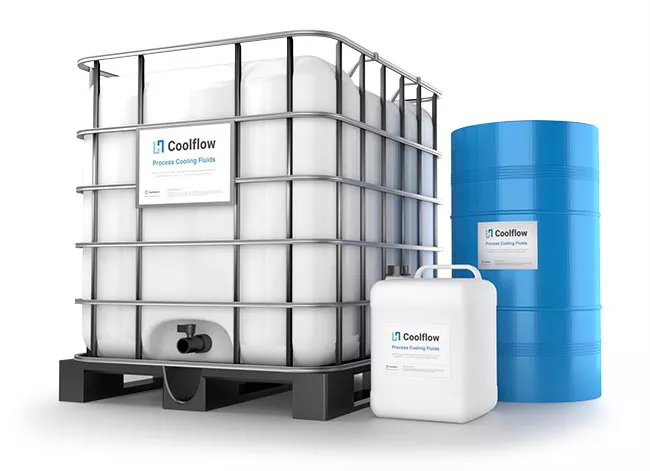
A non-toxic fully inhibited heat transfer fluid, with antifreeze function based on detoxified ethyelne glycol.
More about Coolflow DTX®
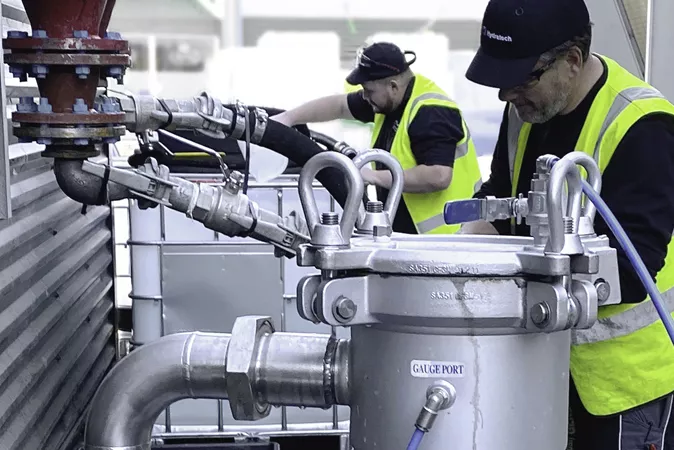

If you need help or advice on selecting the most suitable product for your needs call one of our sales engineers today. With experience across many industry sectors we can help you find the most cost effective solution whilst meeting all your technical requirements.
Call today on 01792 586800
Sorry, we need you to complete all the required fields before we can process your enquiry.











Regular analysis can extend the life of both fluid and system. Hydratech’s Fluid Monitoring Program (FMP) is a very straight forward, effective way to proactively monitor closed-loop system condition.

Getting information - please wait.